Foot Mobilisation & Structural Podiatry on the Gold Coast
Hands-on treatment for stiff, painful feet — aimed at how your foot and lower limb actually move, not just at supporting them. It’s the approach we’ve been using at Arundel since 2012.
What to expect
- A thorough hands-on assessment first
- No GP referral required
- Hands-on treatment plus exercises to do at home
- Health fund rebates claimed on the spot
- FREE on-site parking behind the clinic
Treating how your foot moves
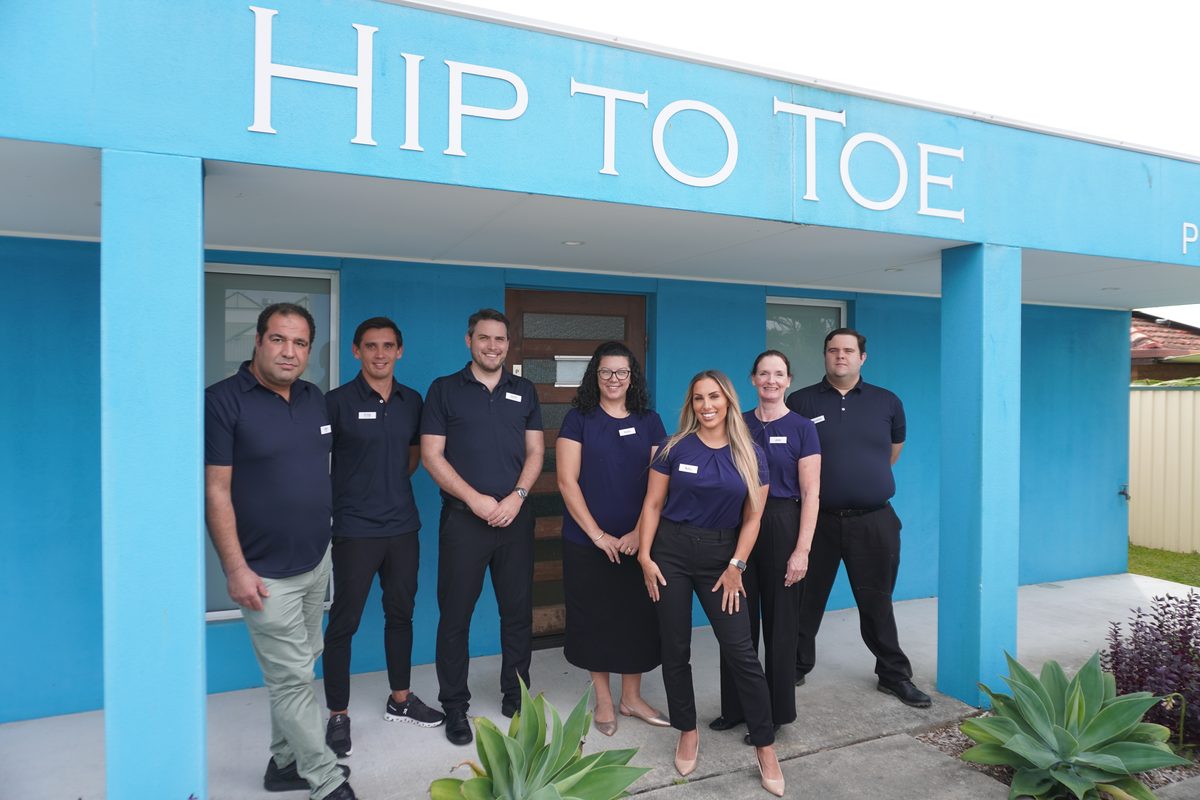
Your foot has 33 joints. When some of them stop moving as well as they should, the load has to go somewhere else — often into the heel, the arch, the ball of the foot, or further up into the knee, hip or lower back. Pain usually turns up where the load lands, not where the problem started.
Foot mobilisation, which we also call structural podiatry, is a hands-on approach that works on the joints themselves. The aim is to improve how the foot moves and how you load it, and to support that change with exercises you do between appointments.
Hip to Toe has been treating this way since 2012. Our practitioners have done additional training in structural treatment, and because we have podiatrists and physiotherapists in the same clinic, we can look at the whole chain from the foot up rather than treating the sore bit in isolation.
It isn’t the right approach for every person or every condition, and we will tell you honestly after assessing you if we think something else suits you better. You can book directly — no doctor’s referral needed.
Mobilisation, manipulation and exercises
Our practitioners use a combination we shorten to MME. Which parts you get, and how much of each, depends entirely on what we find when we assess you.
Mobilisation
Gentle, repeated hands-on movement applied to specific joints of the foot and ankle where we’ve found restriction. It’s done within a range you’re comfortable with, and most people find it settling rather than painful.
Manipulation
A more specific hands-on technique, used only where it’s clinically appropriate and only with your agreement. Your practitioner will explain what it involves beforehand, and it’s never a requirement of treatment.
Exercises
A home program targeting the strength, control and mobility your assessment showed were lacking. This is the part that does the heavy lifting between appointments, which is why we keep it short enough that you’ll actually do it.
Being straight with you about the evidence: research into hands-on treatment of the foot is still developing, and responses vary from person to person. What we can promise is a thorough assessment, a clear explanation of what we find, and an honest view of whether this approach is likely to suit you — including telling you when it isn’t.
Problems people come to us with
Assessment and treatment are always tailored to your individual presentation. The descriptions below are a general guide — your own plan is built after we’ve assessed you.
Heel Pain
Plantar fasciitis, heel spurs and first-step-in-the-morning pain.
Learn more →

Knee Pain
Often influenced by what the foot and hip are doing.
Learn more →

Hip Pain
Assessed alongside your lower back and how you load your feet.
Learn more →

Bunions
Symptom management, joint movement and footwear advice.
Learn more →
Heel pain and plantar fasciitis
That first-step-in-the-morning heel pain is the most common reason people come in. We look at how the foot is loading, what the ankle and the joints through the midfoot are doing, and what’s happening at the knee and hip, rather than treating the heel on its own. More on heel pain and how we assess it.
Foot and arch pain
Aching arches, pain through the ball of the foot, pain that builds through a shift on your feet, or feet that have never been comfortable in normal shoes. We assess joint movement, strength and how you load the foot through walking. More on foot pain.
Flat feet and fallen arches
A low arch isn’t automatically a problem — plenty of people have flat feet and no symptoms at all. It’s worth assessing when it comes with pain, fatigue, or a change in how you’re walking. Treatment focuses on joint movement and building strength and control through the foot and hip.
Knee and hip pain
Bunions
Treatment here is about managing symptoms, improving how the joint moves and how you load it, and footwear advice. To be clear about what it can’t do: hands-on treatment does not straighten the toe, and a bunion that needs surgical review should have one. We’ll give you a straight answer about which situation you’re in.
Morton’s neuroma and forefoot pain
Burning, numbness or the feeling of a pebble under the ball of the foot. Assessment looks at the joints and spacing through the forefoot, your footwear, and how load is being distributed when you walk.
Children’s growing pains
Heel pain in active kids (Sever’s), knee pain at the shin bone (Osgood-Schlatter), and children who tire quickly, trip often or complain of sore feet after sport. Treatment is gentle and is combined with activity and footwear advice for the family.
Wanting to rely less on orthotics
Some people come to us specifically to explore options beyond orthotics. We prescribe orthotics where they’re clinically appropriate and we’ll say so plainly — but they aren’t the only option for every presentation. See our orthotic alternative page.
What happens at your first appointment
No mystery about what you’re paying for.
Assessment
Your history, what aggravates it, and a hands-on examination of how each part of your foot and lower limb moves — plus watching you walk.
Findings explained
We show you what we found, in plain English, and tell you whether this approach suits your presentation or whether something else would serve you better.
Treatment starts
Hands-on treatment on the day where appropriate, plus the first exercises to take home. You leave with something to do, not just an appointment card.
Review and progress
We reassess as you go and adjust the plan based on how you respond — and we tell you when you no longer need us.
How many appointments you need depends on what’s going on, how long it’s been there, and what you want to get back to. Your practitioner will give you an honest estimate after assessing you rather than selling you a block up front.
Foot mobilisation or orthotics?
It’s not a competition, and plenty of people do well with both. Here’s how we think about it.
Orthotics
Change how load is distributed while you’re wearing them, and they can be very effective — particularly for certain foot types, for people on their feet all day, and where symptoms need settling quickly.
They depend on the shoe you’re in, which some people find limiting. We prescribe them where they’re the right answer for your presentation.
Foot mobilisation
Works on joint movement and on the strength and control around those joints, with the aim of improving how your foot functions without relying on a device.
It asks more of you — it takes a course of appointments and exercises you need to keep up — and responses vary between individuals.
Many treatment plans use both: orthotics to settle symptoms while mobilisation and strength work address what’s driving them. What suits you is a conversation we have after your assessment, not before it.
Practitioners trained in structural treatment
Structural podiatry has been part of the clinic since 2012, and our practitioners have completed additional training in it. It sits alongside their general podiatry and physiotherapy work rather than replacing it.
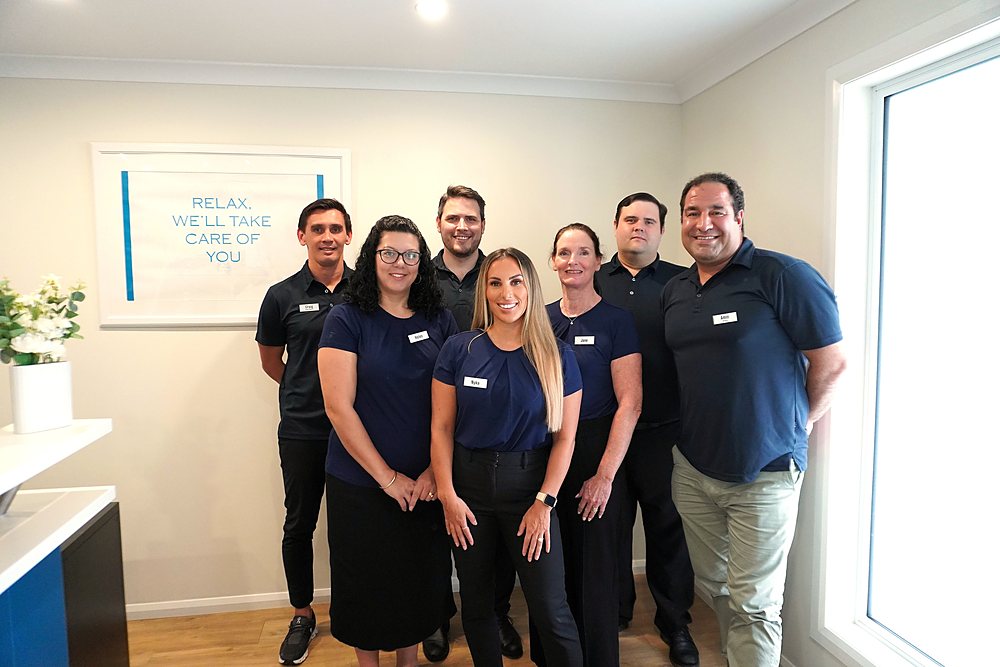
Jacob Love, our Senior Physiotherapist, uses mobilisation, manipulation and exercise across heel, foot, knee and hip presentations — as well as treating the neck, back and shoulder problems you’d expect a physiotherapist to handle.
Our podiatrists Craig Bramwell, Amin Pirouz Khah and Maja Ball assess foot and lower limb biomechanics alongside the rest of their podiatry work, so if your problem turns out to sit with the other discipline you get pointed the right way immediately rather than starting again somewhere else.
You can read about everyone on our meet the team page, or call reception on 07 5571 7329 and we’ll book you with the right person.
Ask us before you book
Describe what’s going on to our reception team and they’ll tell you whether an assessment is likely to help, and who to see.
Referrals, health funds and fees
Current fees for every appointment type are listed on our fees page, so the price you see is the price you pay. If you’re not sure which appointment to book, call reception on 07 5571 7329 and we’ll sort it out for you.
Hip to Toe, Arundel
138 Olsen Avenue, Arundel
Gold Coast, QLD 4214
Near the corner of Central Street, between Harbour Town and the Gold Coast University Hospital.
Phone: 07 5571 7329
Email: reception@hiptotoe.com.au
Ramped entrances, a disability parking bay and an accessible bathroom. Free on-site parking behind the clinic and free street parking out front.
Opening hours
| Monday | 8:00am – 6:30pm |
| Tuesday | 8:00am – 6:30pm |
| Wednesday | 8:00am – 6:30pm |
| Thursday | 8:00am – 6:30pm |
| Friday | 8:00am – 4:00pm |
| Saturday | Closed |
| Sunday | Closed |
Hours are subject to change. Early and late appointments book out quickly — call ahead where you can.
Foot mobilisation FAQs
What is foot mobilisation?
It’s hands-on treatment applied to the joints of the foot and ankle, combined with an exercise program. Your practitioner assesses how each joint moves, treats the ones found to be restricted, and gives you strength and control work to support the change. At Hip to Toe we also call it structural podiatry, and we shorten the treatment itself to MME — mobilisation, manipulation and exercises.
Does it hurt?
Most people describe it as firm but comfortable, and it’s done within a range you’re happy with. Some tenderness afterwards is normal, particularly in the first few sessions and if your foot has been painful for a long time. Tell your practitioner what you’re feeling as they go — the technique is adjusted to suit you, and you can stop at any point.
How many appointments will I need?
It depends on what’s going on, how long it’s been there and what you want to get back to. Long-standing problems generally take longer than recent ones. Your practitioner will give you an honest estimate after your first assessment and reassess as you go, rather than asking you to commit to a block of appointments up front.
Will I still need orthotics?
Sometimes yes, sometimes no, and sometimes both approaches work well together. We prescribe orthotics where they’re clinically appropriate, and some people reduce their reliance on them depending on their individual presentation and how they respond. We’ll give you a straight assessment rather than steering you towards one answer.
Is there evidence that it works?
Research into hands-on treatment of the foot is still developing, and it isn’t as well studied as some other treatments. Responses vary between individuals. We’ve used this approach at Arundel since 2012, we reassess as we go so you can see whether it’s helping you specifically, and we’ll tell you if we think a different approach suits you better.
Can you treat my child?
Yes. We see a lot of active kids with heel pain (Sever’s), knee pain (Osgood-Schlatter), and sore, tired feet after sport. Treatment for children is gentle, and we give parents practical advice on activity levels and footwear. A parent or guardian stays in the room for the whole appointment.
Should I book podiatry or physiotherapy?
For foot, heel, knee or hip pain either is a reasonable starting point — we assess across both disciplines and will move you to the right clinician if needed. Call reception on 07 5571 7329, describe what’s going on, and we’ll book you with the right person the first time.
Can I claim on my private health fund?
Yes. We process private health rebates on the spot in accordance with your provider and policy. If you’d like to know exactly what rebate you’ll receive, call reception during business hours on 07 5571 7329 with your health fund card handy and we’ll check it for you.
Book a foot assessment
A thorough assessment, a clear explanation of what we find, and an honest view on whether we can help. No referral needed, and free parking out the back.